Let Your life Be
Your Argument
Your
Argument
WHAT WE DO
The Albert Schweitzer Fellowship improves the health of communities by developing leaders who create enduring impact through collaboration, compassion, and authentic partnership.
WHAT WE DO
The Albert Schweitzer Fellowship improves the health of communities by developing leaders who create enduring impact through collaboration, compassion, and authentic partnership.
How we do it
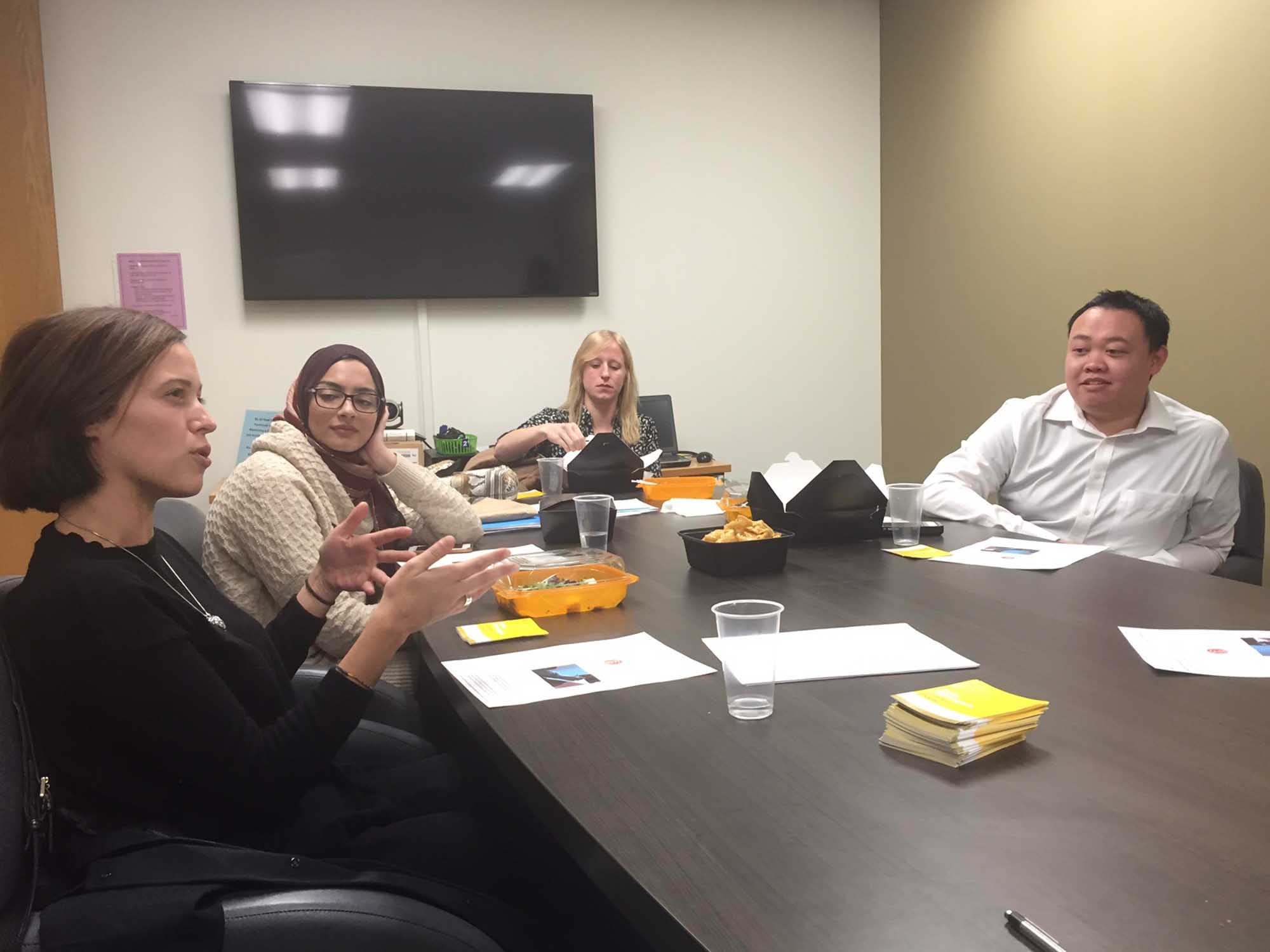
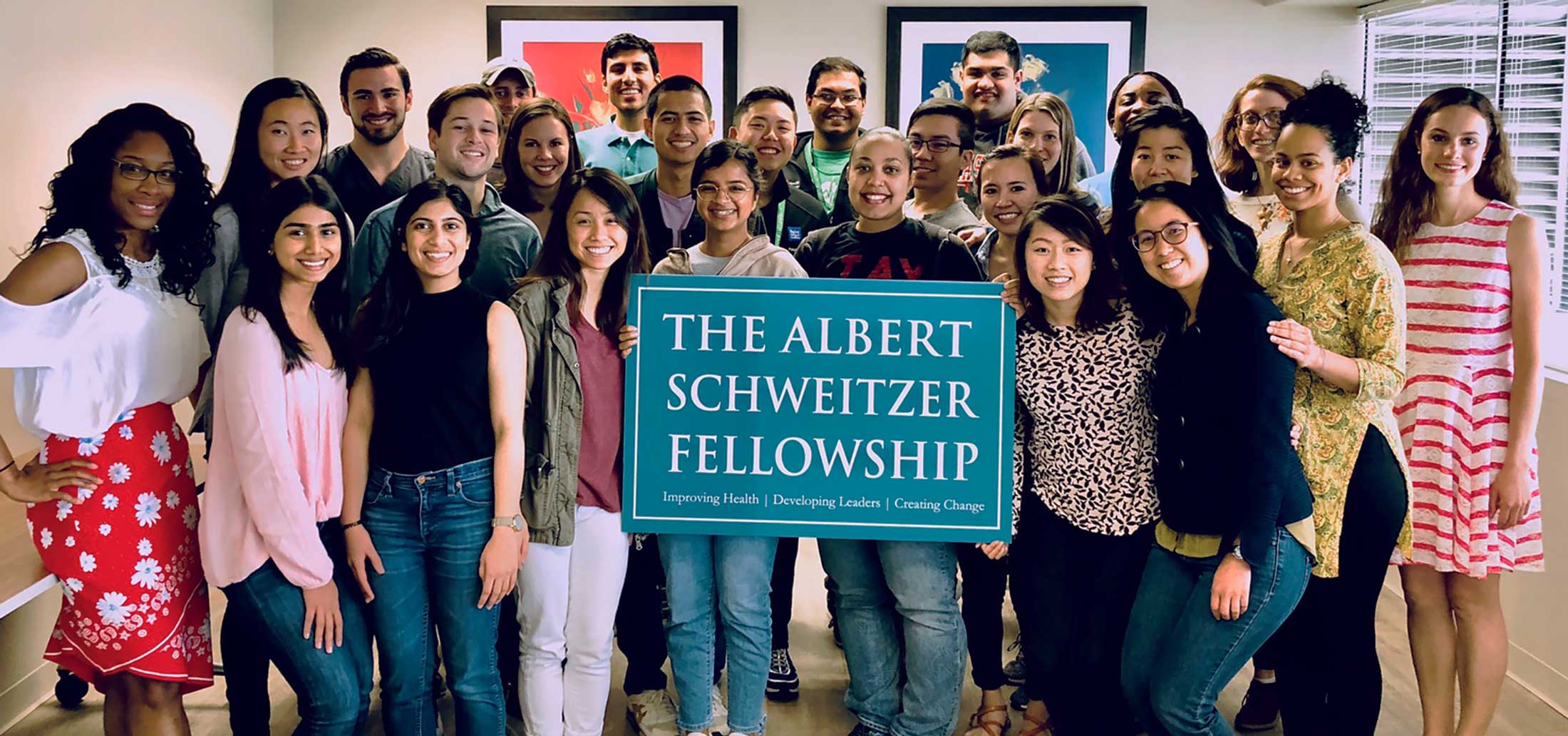
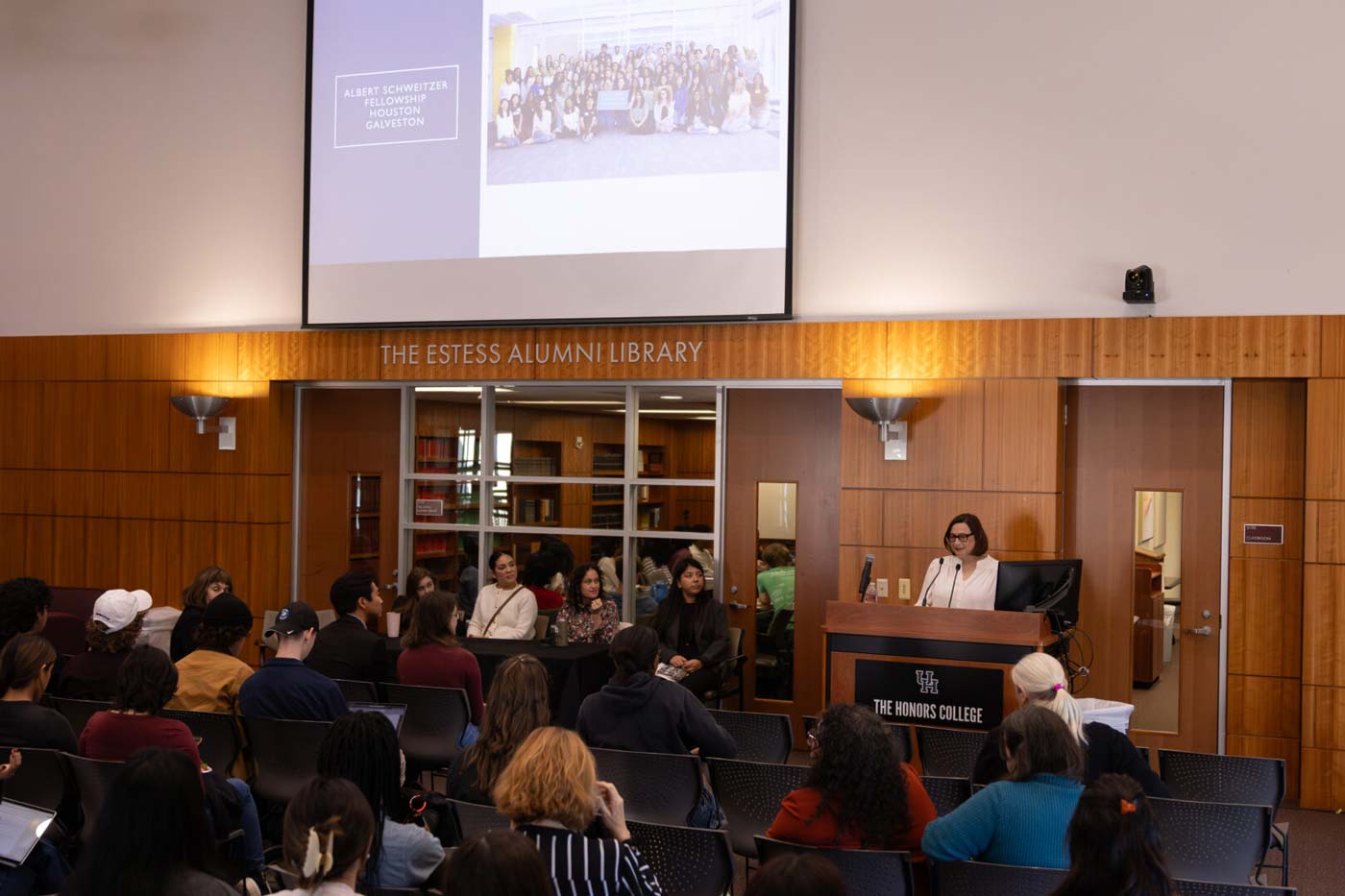
The Albert Schweitzer Fellowship (ASF) is a year-long, co-curricular leadership and community impact program for graduate and professional students. The Fellowship program operates out of ten sites nationwide, in partnership with our academic partner institutions. ASF is open to students from any academic discipline.
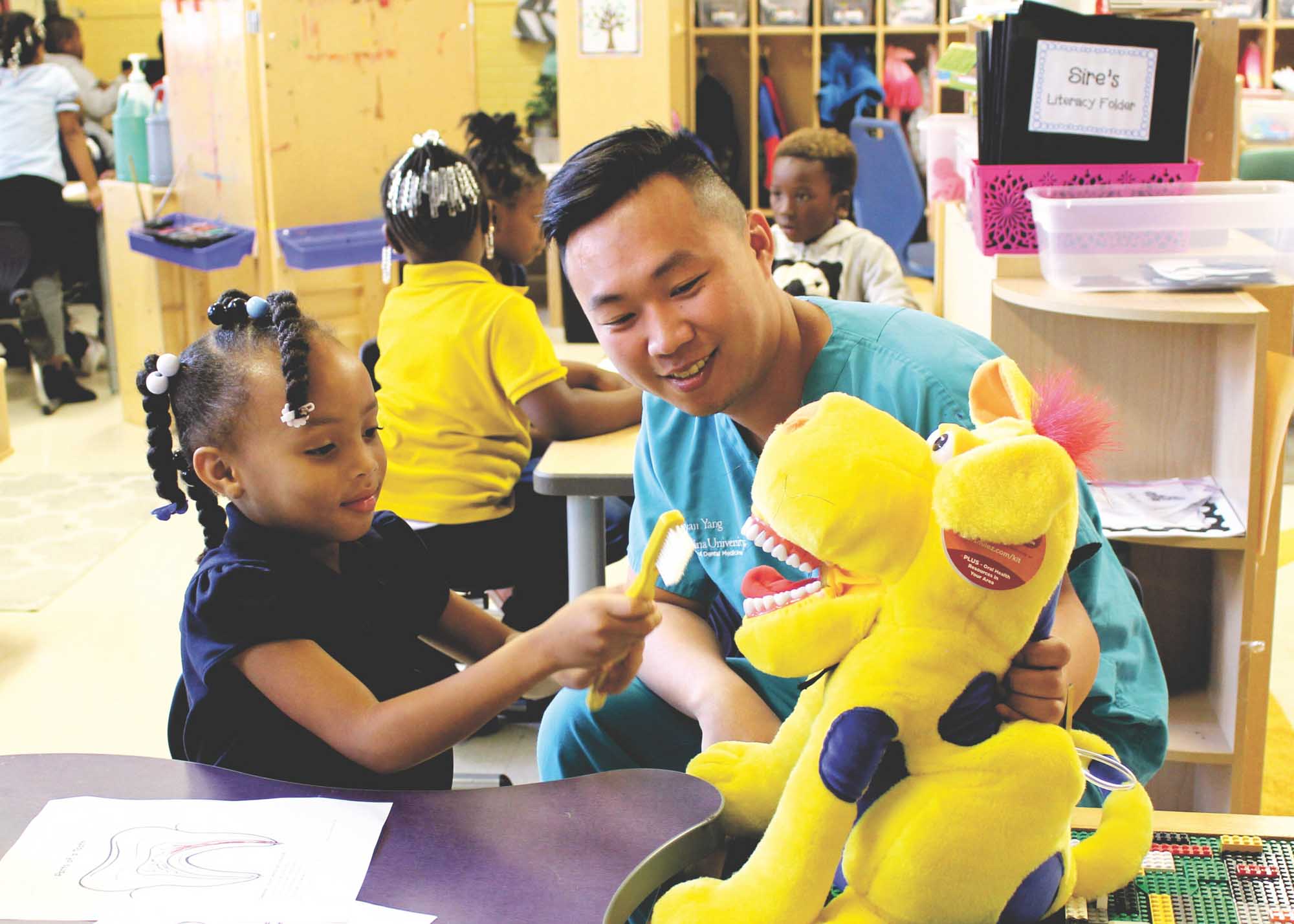
Schweitzer Fellows partner with a community agency, clinic, or school to identify an unmet health need and lead a year-long initiative to address it. ASF defines health broadly using the World Health Organization’s definition of health: a state of complete physical, mental, and social well-being and not merely the absence of disease or infirmity. Many ASF projects address the social and environmental drivers of health.
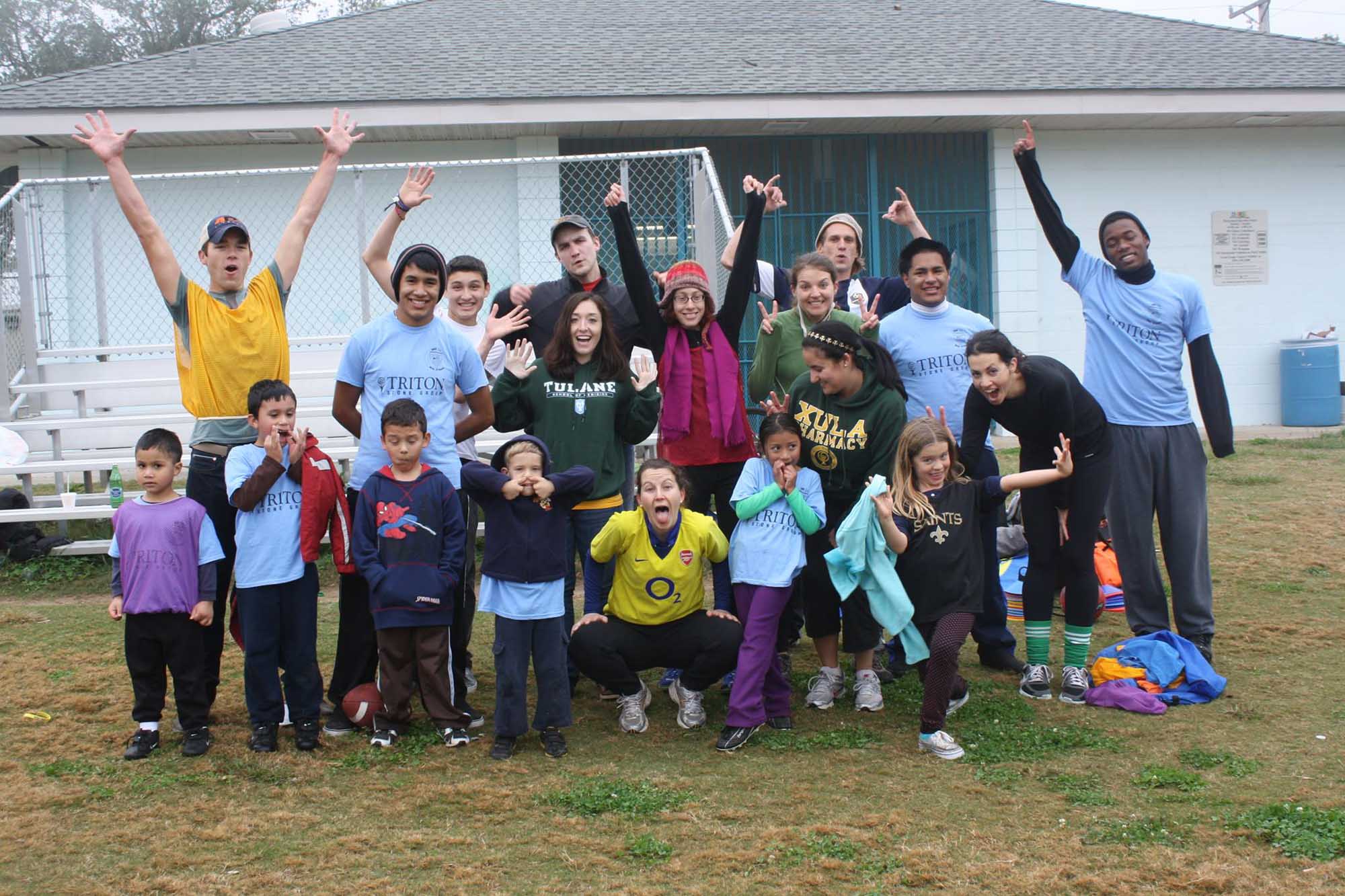
Schweitzer projects span a wide range of issues – from health and wellness programs for women in alternatives-to-incarceration settings, to parenting support for veterans, to physical wellness interventions for older adults. More than 70% of projects continue in some form after the Fellowship year ends.
In addition to leading their projects, Fellows:
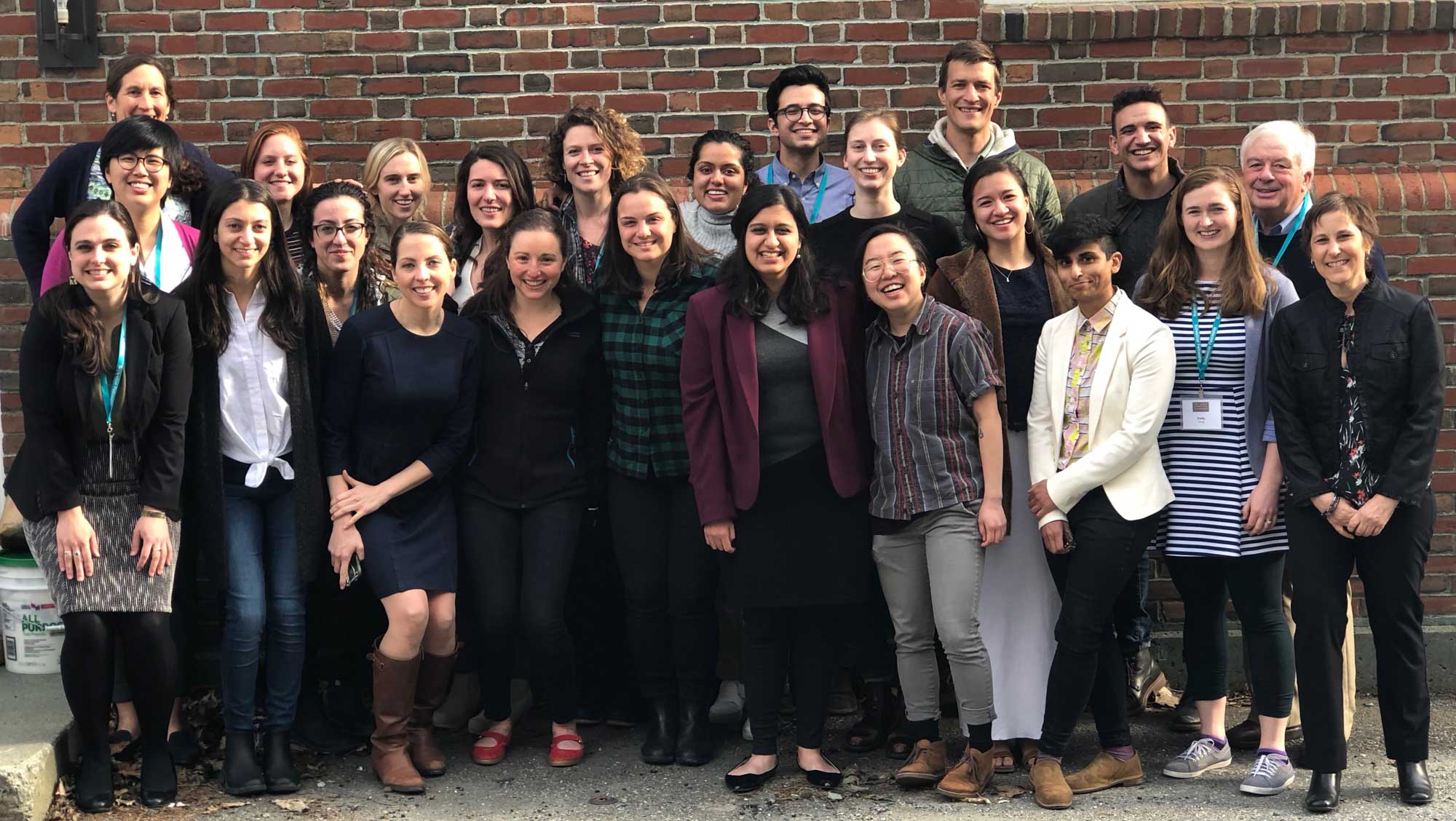
Learn Alongside an Interdisciplinary Cohort That Supports Their Development as Emerging Leaders
Receive Wrap-Around Mentorship
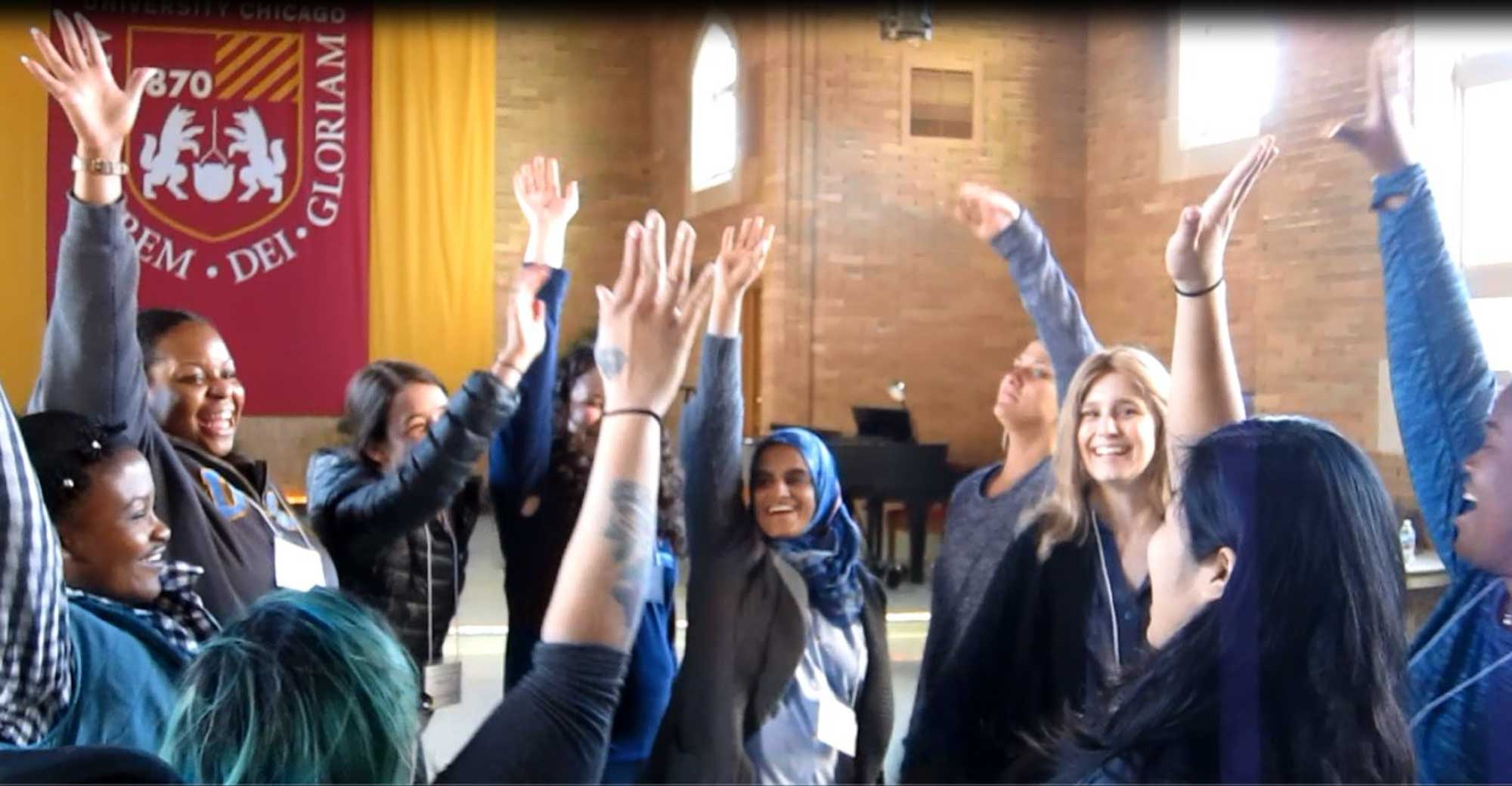
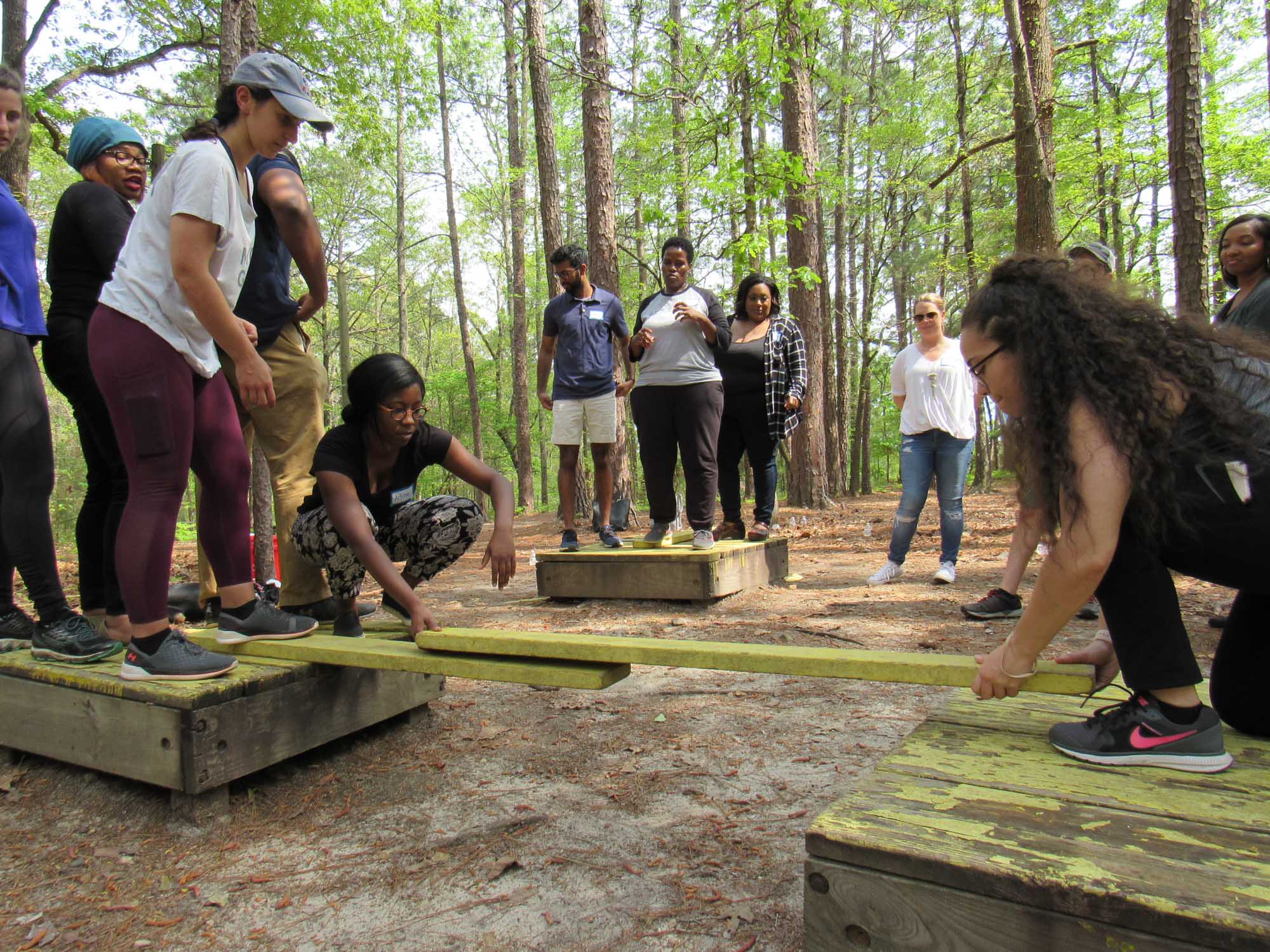
Participate in Leadership Development Workshops and Retreats
Build a Robust Toolkit of Leadership and Project Management Skills
In addition to leading their projects, Fellows:
Learn Alongside an Interdisciplinary Cohort That Supports Their Development as Emerging Leaders
Receive Wrap-Around Mentorship
Participate in Leadership Development Workshops and Retreats
Build a Robust Toolkit of Leadership and Project Management Skills
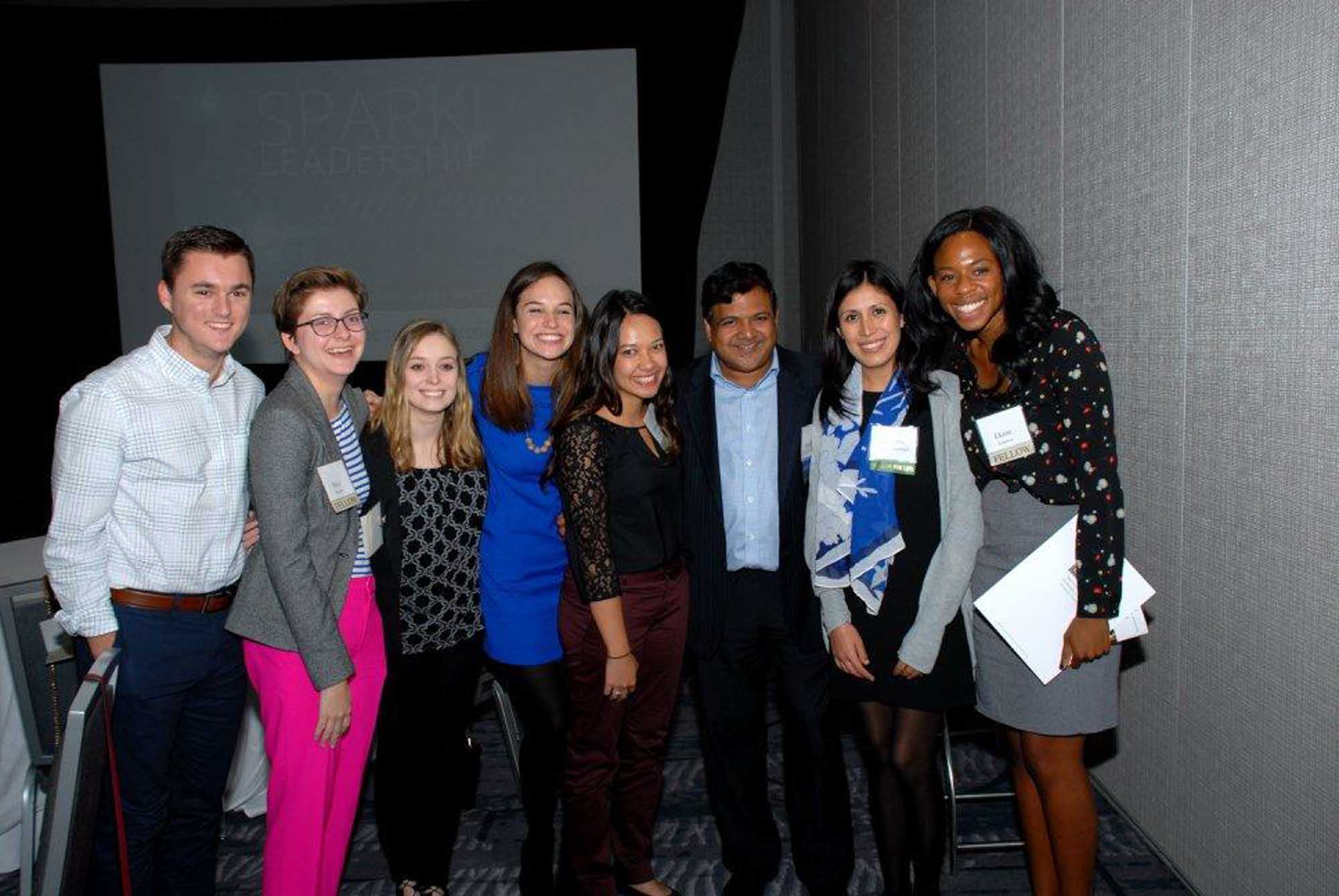
Upon completing the program, Fellows become Fellows for Life, joining a network of more than 4,500 alumni committed to creating positive change in their communities.
Upon completing the program, Fellows become Fellows for Life (FFL), joining a network of 4,500+ who are committed to creating positive change in their communities.
Our Impact

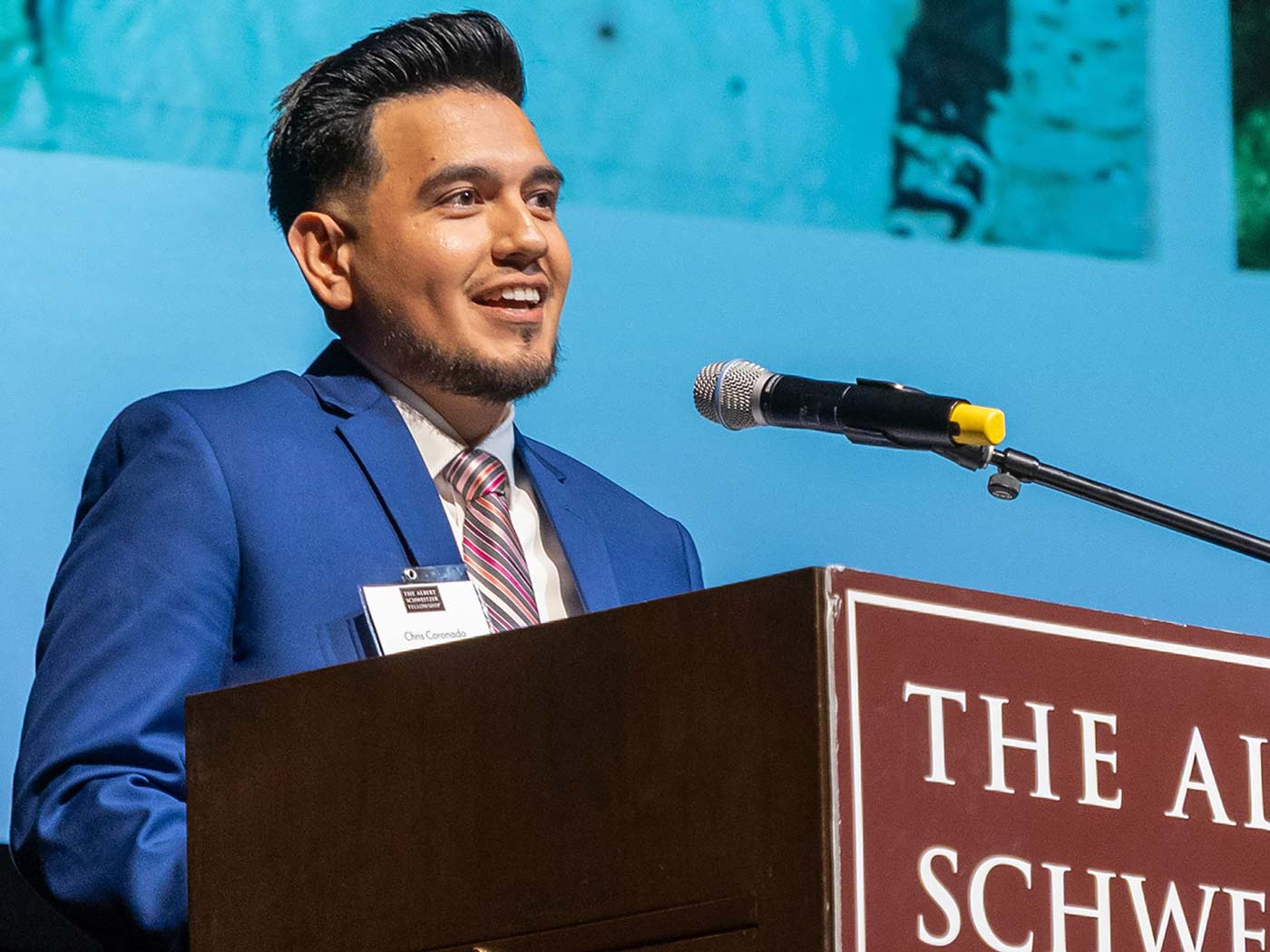
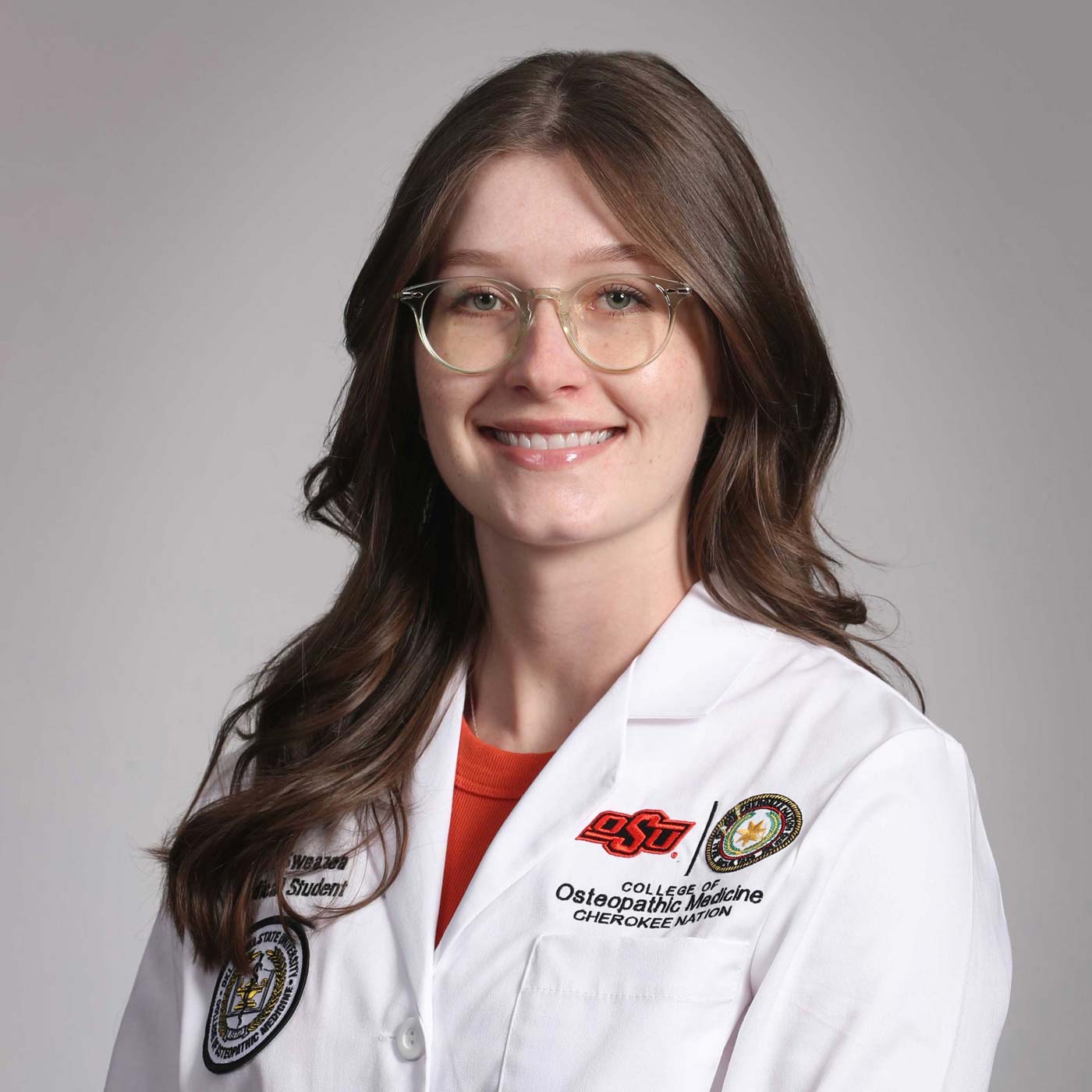
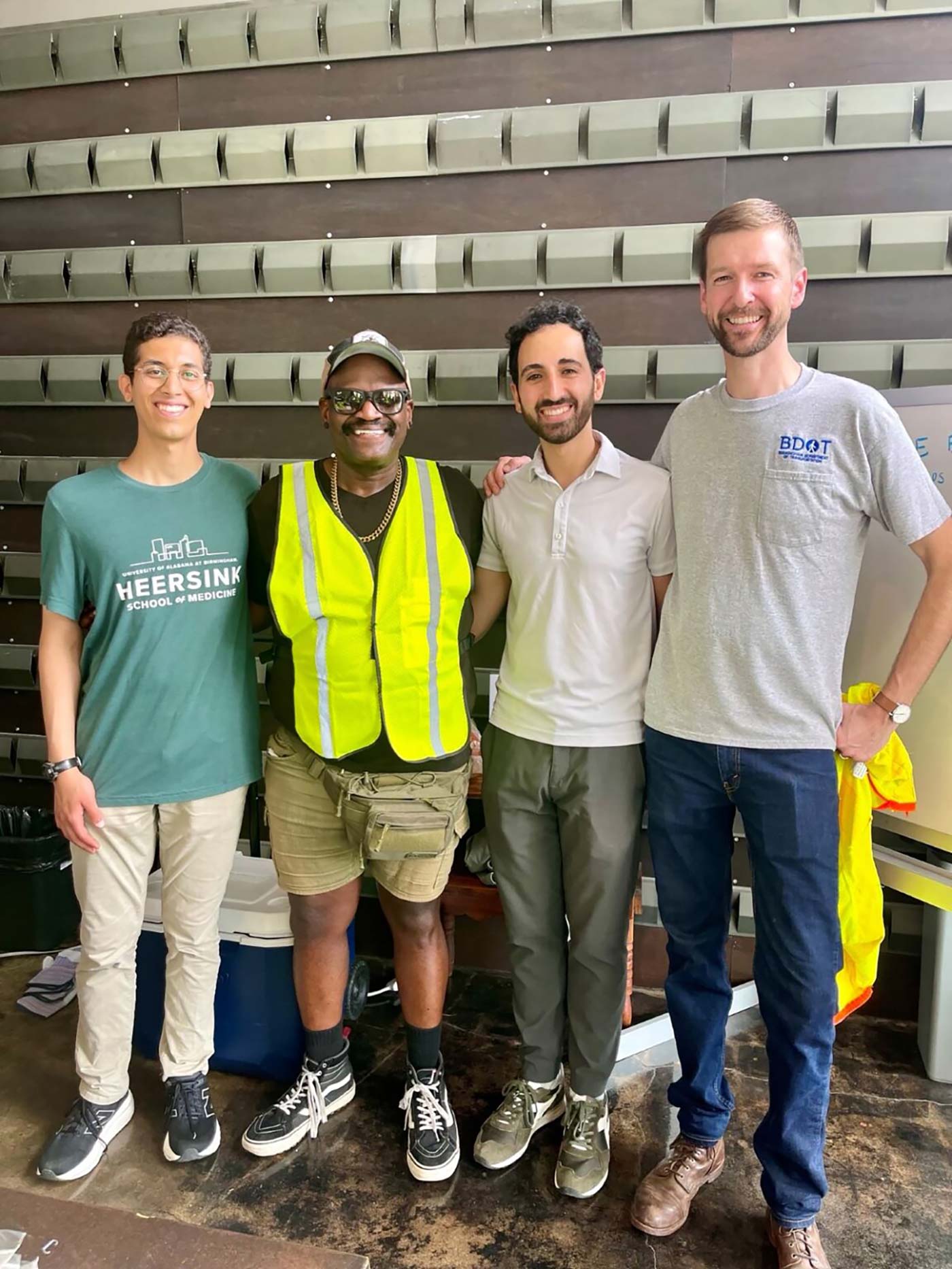
Fellows for Life
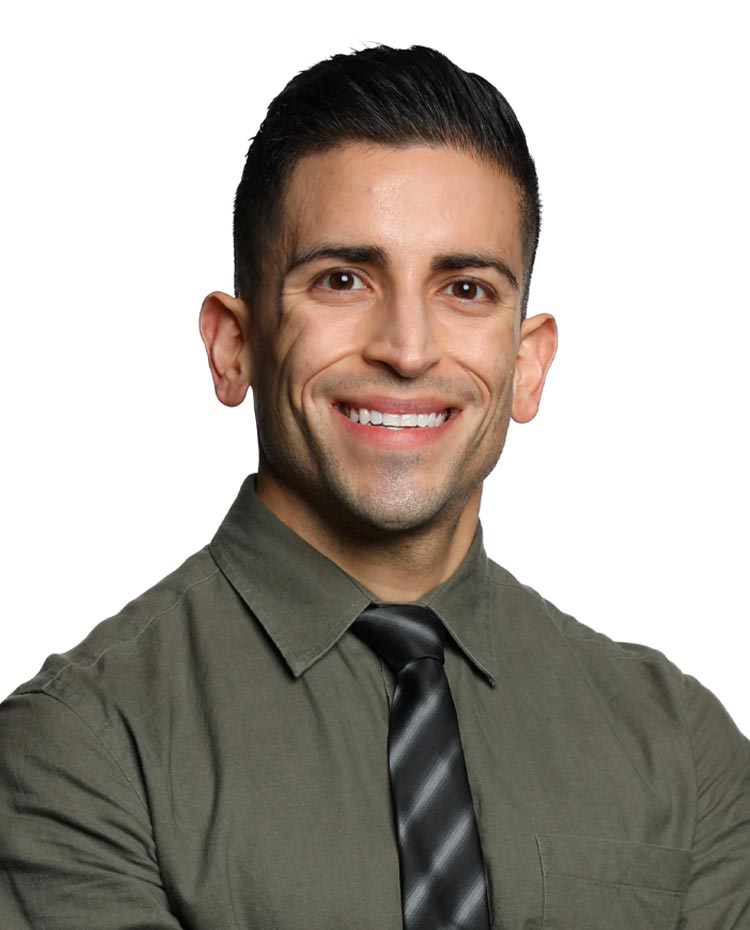
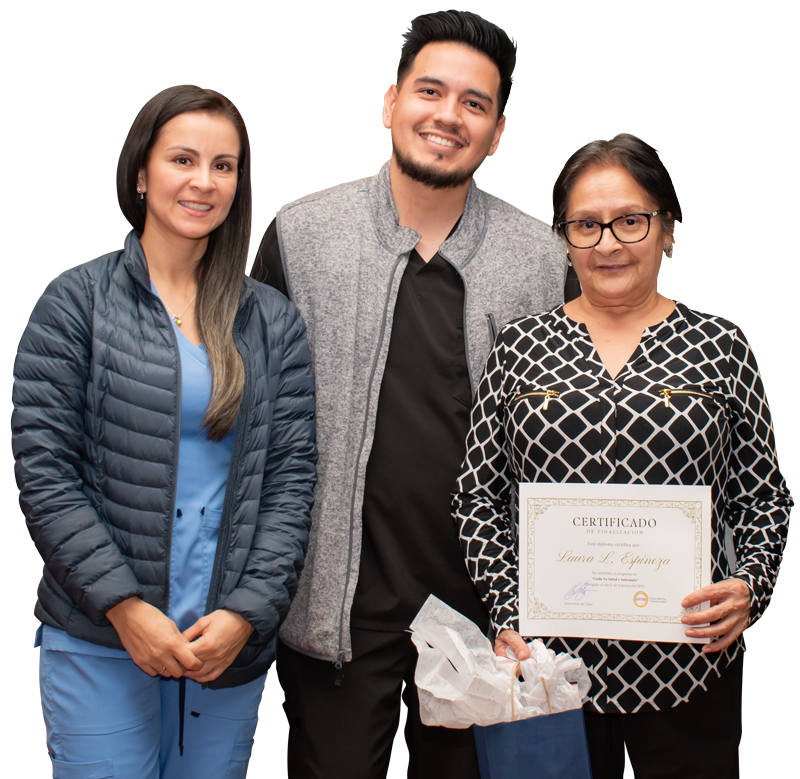
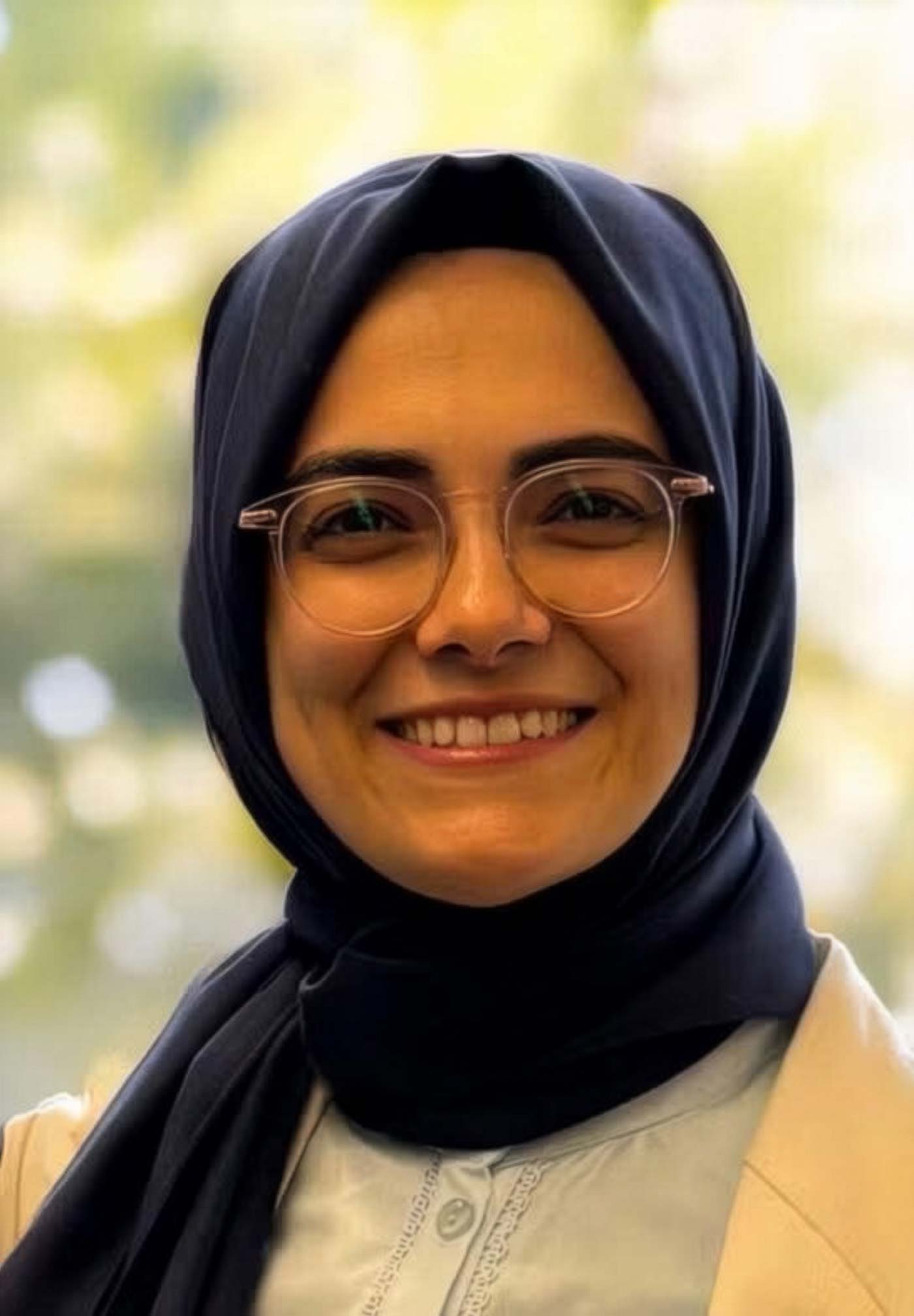
Alex Barrera, DDS
Houston – Galveston
“Being a Schweitzer Fellow shaped me into becoming an advocate for those living with HIV/AIDS and led me to a career in community health. While I was a dental student, my ASF project introduced me to Avenue 360 Health and Wellness, a health center focused on serving the HIV community of Houston. In turn, this was my first job as a dentist out of school. Fast-forward 8 years, and I now serve as the Director of Dentistry for this health center.”
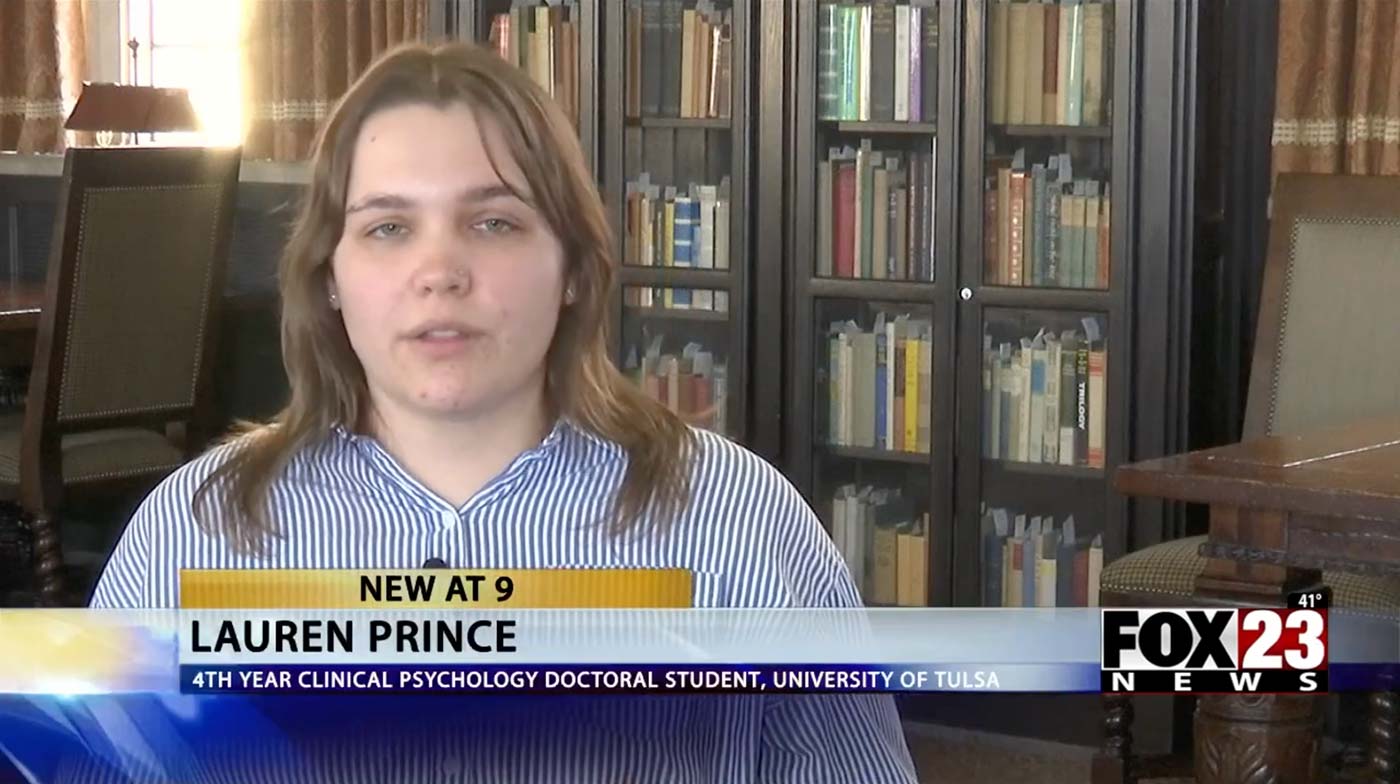
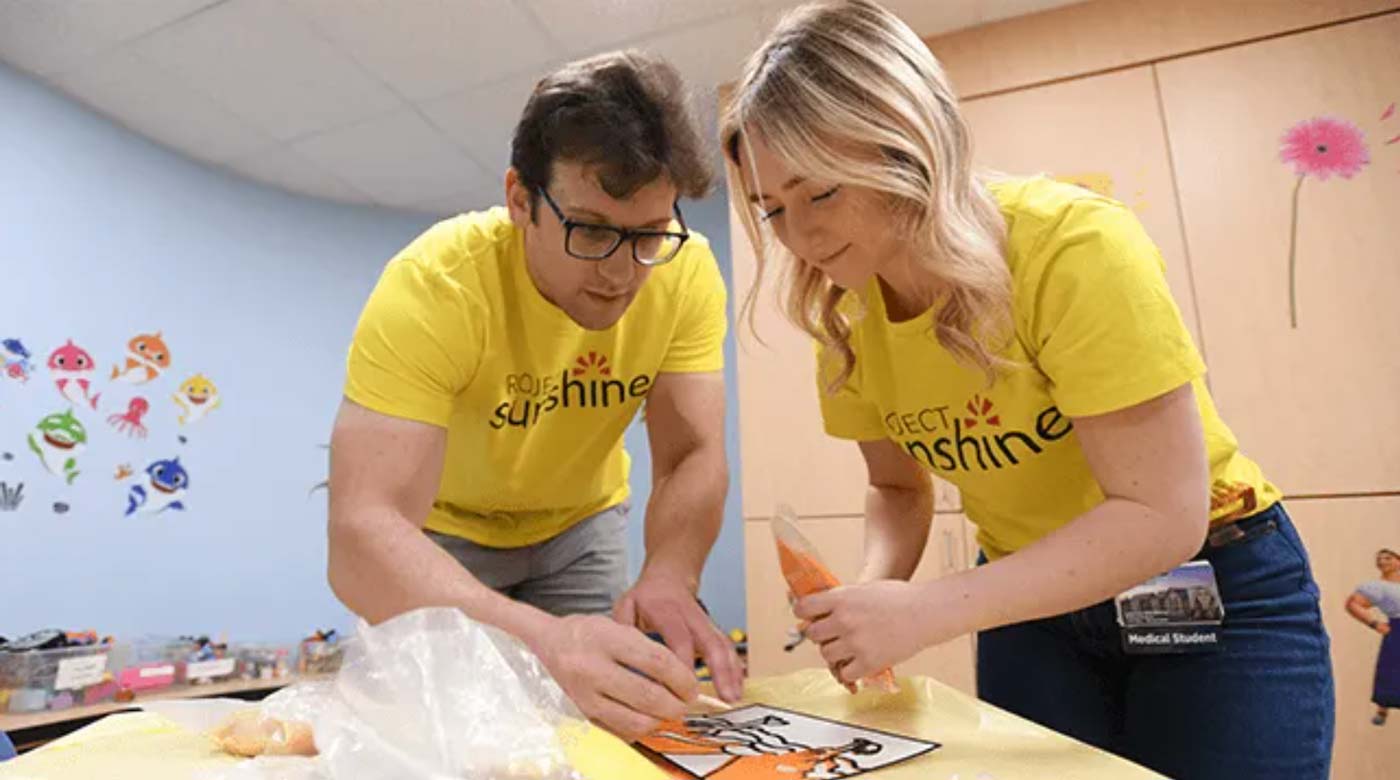
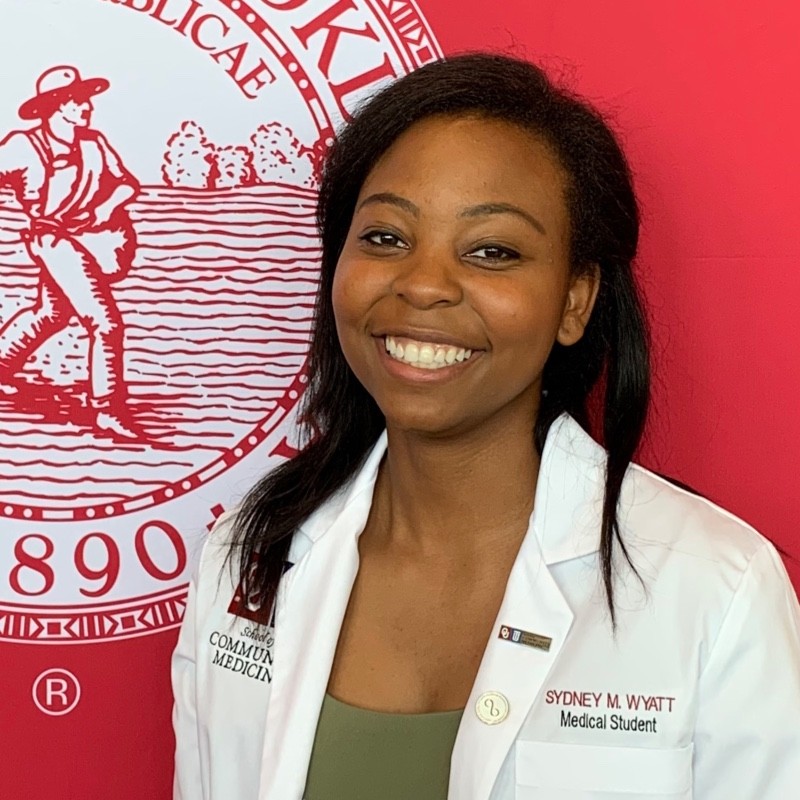
Sydney Wyatt, MD
TULSA
“The most unexpected outcome of my time as a Schweitzer Fellow is how much I grew in a year…. my perspective on everything has changed. I am more ready to make a real impact, even though I now understand the amount of effort and perseverance it takes. Everyone who has the opportunity to be touched by the Schweitzer Fellowship will forever be grateful. It has changed my life.”

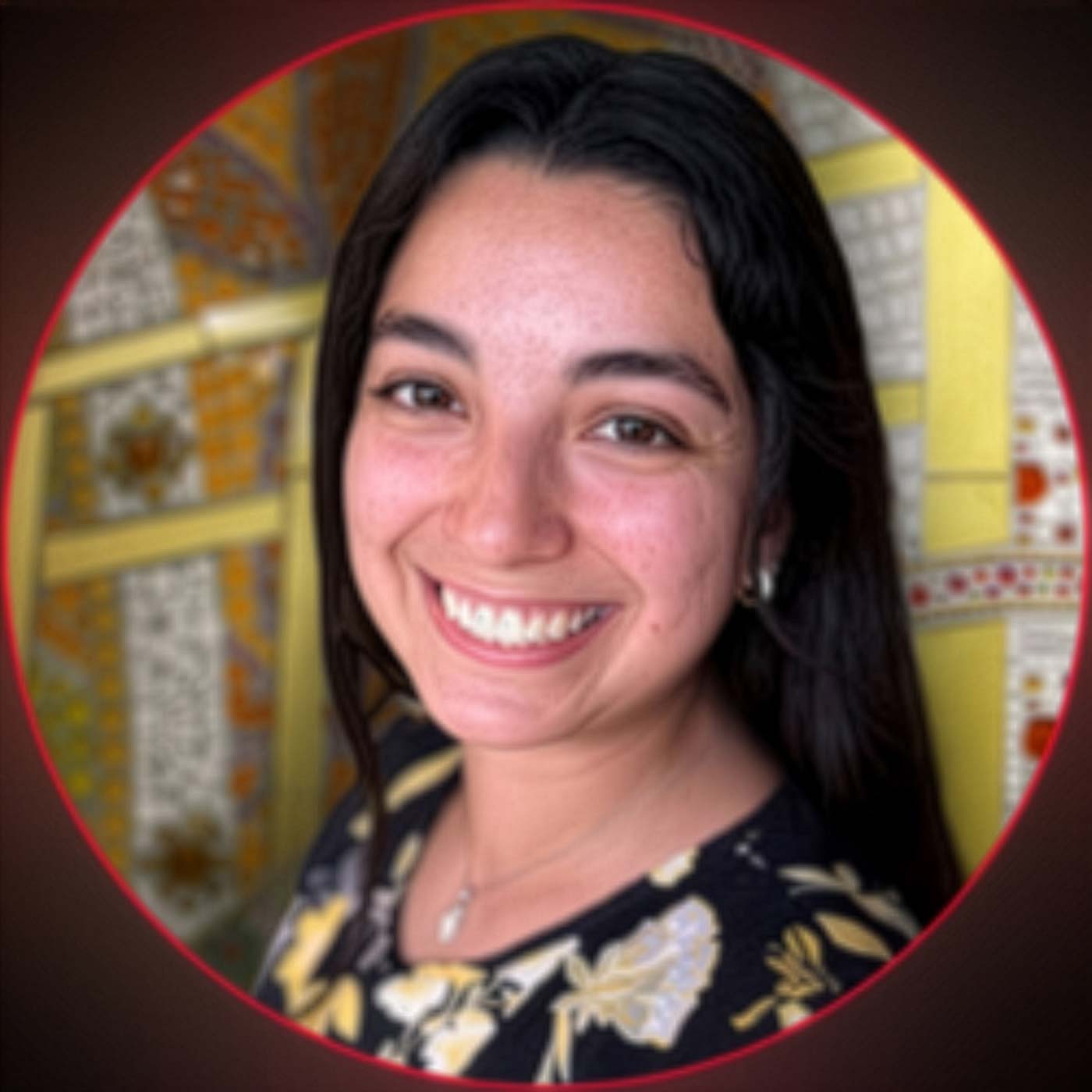
Mason Myers, PT, DPT
Columbus – Athens
“My time as a Schweitzer Fellow had a profound and lasting impact on my career as a physical therapist. It was the first experience that pushed me beyond traditional clinical roles and challenged me to build a sustainable community health initiative from the ground up…. The fellowship helped me understand that systemic issues require systemic solutions, and it equipped me with the confidence and skill set to speak directly with policymakers to advance a more equitable world. The fellowship did not just shape my career trajectory. It grounded my purpose and continues to guide the way I show up for patients, students, and communities.”

“In everyone’s life, at some time, our inner fire goes out. It is then burst into flame by an encounter with another human being. We should all be thankful for those who rekindle the inner spirit.”
“I don’t know what your destiny will be, but one thing I know: the only ones among you who will be really happy are those who will have sought and found how to serve.”
“Wherever you turn, you can find someone who needs you. Even if it is a little thing, do something for which there is no pay but the privilege of doing it. Remember, you don’t live in a world all of your own.”
“In everyone’s life, at some time, our inner fire goes out. It is then burst into flame by an encounter with another human being. We should all be thankful for those who rekindle the inner spirit.”
“I don’t know what your destiny will be, but one thing I know: the only ones among you who will be really happy are those who will have sought and found how to serve.”
“Anyone who proposes to do good must not expect people to roll stones out of his way, but must accept his lot calmly, even if they roll a few stones upon it.”
“When people have light in themselves, it will shine out from them. Then we get to know each other as we walk together in the darkness, without needing to pass our hands over each other’s faces, or to intrude into each other’s hearts.”

For information about becoming a Fellow, chapter details, and/or to meet our local partners and supporters, visit the website of your local Schweitzer Fellowship chapter.

